Loading…
Serving San Clemente, CA and surrounding areas. (949) 739-0478
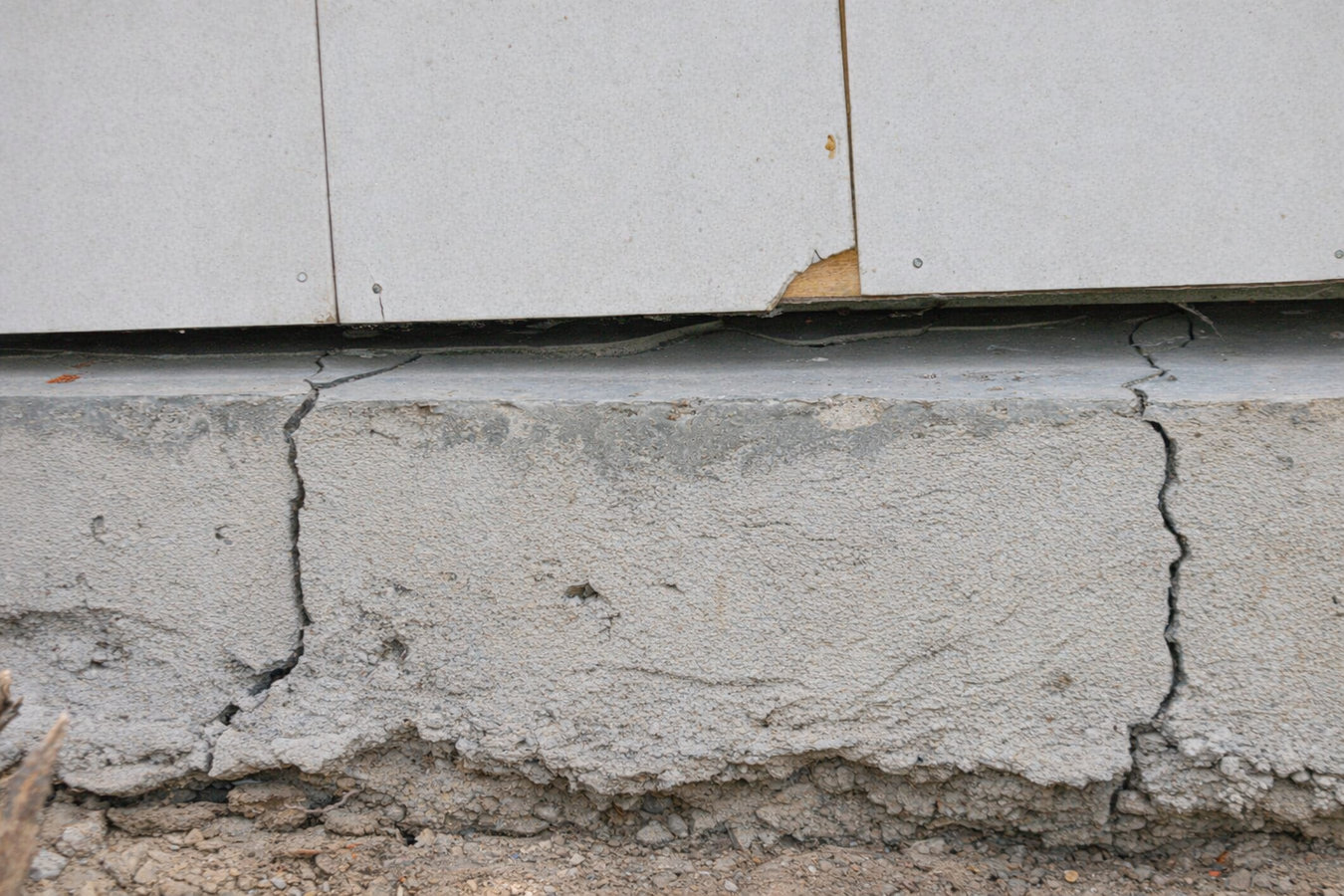
A sunken slab on a hillside lot keeps getting worse every rainy season. We lift it back to level, handle the city permit, and get the inspector to sign off.
Foundation raising in San Clemente lifts a sunken concrete slab back to its original level position by pumping material through small drilled holes to fill the voids underneath - most residential jobs are completed in a single day, with a city permit and inspection required before work can begin.
If you have noticed a floor that feels off, a slab that dips in one corner, or doors and windows that started sticking after a wet winter, the ground underneath may have shifted. San Clemente's mix of clay-heavy soils, hillside terrain, and seasonal rain makes foundation settling one of the most common concrete problems homeowners here deal with. The good news is that raising a slab costs far less than tearing it out and starting over - and when it is done correctly, results hold for years.
Foundation raising is closely related to the broader structural picture. If your home needs new footings as part of a repair or addition, our concrete footings service covers that work. For homes that need a complete new concrete base, our slab foundation building team handles full pours from the ground up.
When a foundation shifts, door frames and window frames shift with it. A door that used to swing freely now drags on the floor, or a window that opened easily now sticks. This is especially common in San Clemente homes after a wet winter, when clay-heavy soil swells and then dries out through the summer. If multiple openings are sticking in the same part of the house, it points to movement in the slab rather than just a sticky hinge.
Cracks that run at a 45-degree angle from the corners of doors or windows are a classic sign of foundation movement. These are wider at one end and different from the small hairline cracks that appear in drywall over time. On San Clemente's hillside lots, this kind of one-directional cracking is particularly common because soil moves downslope, pulling one side of the slab down more than the other.
Walk slowly across your floor in socks. If you can feel a slope, or if a marble placed on the floor rolls consistently in one direction, the slab beneath may have settled unevenly. San Clemente hillside properties are especially prone to this because gravity and water both pull soil in the same downhill direction over time, which creates a gradual but measurable tilt.
San Clemente gets most of its rain between November and March. If you see water collecting against the side of your house or near the base of your foundation after a storm, that water is soaking into the soil and washing away the material supporting your slab. Over time, this creates voids - empty spaces under the concrete - that cause the slab to sink. If you see this pattern every rainy season, get an assessment before the voids grow.
We offer both slurry lifting - the proven cement-and-soil method that has been used for decades - and polyurethane foam lifting, which is lighter, faster-curing, and a better fit for San Clemente's hillside lots where adding weight to already-stressed soil is a concern. After visiting your property, we explain which method we recommend for your specific situation and why. Every job includes the city permit application, coordination of the post-work inspection, and cleanup of patch locations before we leave.
Foundation raising connects naturally to other structural work. If your slab needs new or repaired footings as part of a broader repair, we integrate that with our concrete footings scope so everything is addressed under one permit. For properties where the slab damage is too extensive to lift - where full replacement makes more sense - our slab foundation building team handles new pours with proper drainage and reinforcement for San Clemente conditions.
Best for standard residential slabs where budget is a priority and the site is accessible on flat or gently sloped ground.
Suited to hillside lots and sandy soils where a lightweight, fast-curing material reduces the risk of additional soil stress.
For slabs that have not visibly sunk yet but have voids forming underneath - catching this early is the least expensive fix.
Addresses the water source that caused voids in the first place, so the repair holds longer than a lift that ignores the root cause.
San Clemente is built on a series of coastal terraces and hillsides that slope toward the Pacific. The soils here include both sandy coastal deposits and expansive clay layers that swell when wet and shrink when dry. That cycle - repeating every year with wet winters and dry summers - is the primary reason foundations here shift and sink over time. Homes built in the 1950s through 1970s, which make up a large share of San Clemente's housing stock, have had decades for this movement to accumulate. Add the region's seismic activity - even minor ground shaking can push a borderline foundation over the edge - and you have conditions where slab settling is not unusual, it is expected.
We work throughout San Clemente, including both the older beach-adjacent neighborhoods near downtown and the newer planned communities in the city's northeastern hills. For homeowners in Dana Point, many of the same coastal soil and hillside drainage conditions apply, and we handle foundation raising there as well. We also serve homeowners in San Juan Capistrano, where older ranch-style homes on clay-heavy soils see similar settling patterns. Knowing local conditions - not just concrete methods - is what makes a foundation raising job hold up long term.
We ask a few basic questions - what you are seeing, where the problem seems to be, and how old your home is. You hear back within one business day, and most homeowners in San Clemente can schedule a free on-site visit within a few days.
We walk the affected area, check for cracks, use a level to measure how much the surface has shifted, and look at drainage around the slab. This visit takes about 30 to 60 minutes. At the end you receive a written estimate with the recommended method and the permit cost included.
We apply for the building permit through the City of San Clemente on your behalf. This typically adds a few business days to the timeline. You do not need to visit the city office - we handle the paperwork and schedule the job once the permit is approved.
The crew drills small holes in the slab at measured intervals, pumps material through to fill voids and lift the concrete, then patches the holes before they leave. Most jobs finish in a few hours. After the work, the city inspector visits to sign off - we coordinate that visit and let you know when to be home.
We handle the San Clemente permit and inspection - you just need to clear the work area.
(949) 739-0478We have raised foundations on sloped properties throughout San Clemente and the surrounding South Orange County area. Hillside lifting requires a different approach than flat suburban work - the material distribution, lift sequence, and drainage follow-up all need to account for slope direction. We have done this enough times on coastal hillside lots to get it right.
The City of San Clemente requires a permit for most foundation work, and we apply before scheduling your job - not after. That means a city inspector signs off on the finished result, which protects your investment and means the work is on the record if you ever sell the home. Contractors who skip the permit are cutting a corner that costs you later.
We visit your property, assess the slab, and give you a written estimate that includes the permit fee before we schedule anything. Foundation raising quotes that arrive over the phone without a site visit are not reliable - the method, the material volume, and the access conditions all affect the real price. You get a number you can plan around.
Sometimes a homeowner calls expecting a straightforward lift and the honest answer is that the slab needs something different. The{' '}Concrete Foundations Association{' '}recommends that contractors assess the root cause of sinking - not just fill the void. We tell you what we find, including when a lift is not the right answer. You make the call with accurate information.
Every foundation raising job we take on in San Clemente goes through the city permit process, uses materials suited to coastal hillside conditions, and ends with a cleanup that leaves the work area ready to use. That is the standard, not the exception.
For California foundation standards, see the Concrete Foundations Association. You can verify any contractor's California license through the CSLB license lookup. For local soil and seismic conditions, the California Geological Survey publishes maps specific to San Clemente's area.
When access to what is under the slab is needed - utility lines, drainage, or structural repair - clean diamond-saw cuts are the right tool.
Learn moreWhen the damage is too extensive to lift, a properly reinforced new slab pour with vapor barrier and seismic steel is the right answer.
Learn moreSan Clemente's wet winters put real stress on soil under a sunken foundation. The sooner you schedule an assessment, the less the voids grow.