Loading…
Serving San Clemente, CA and surrounding areas. (949) 739-0478
Building on a hillside lot in earthquake country with coastal soils underneath demands footings designed for those exact conditions - not a generic pour that ignores what is going on below the surface.
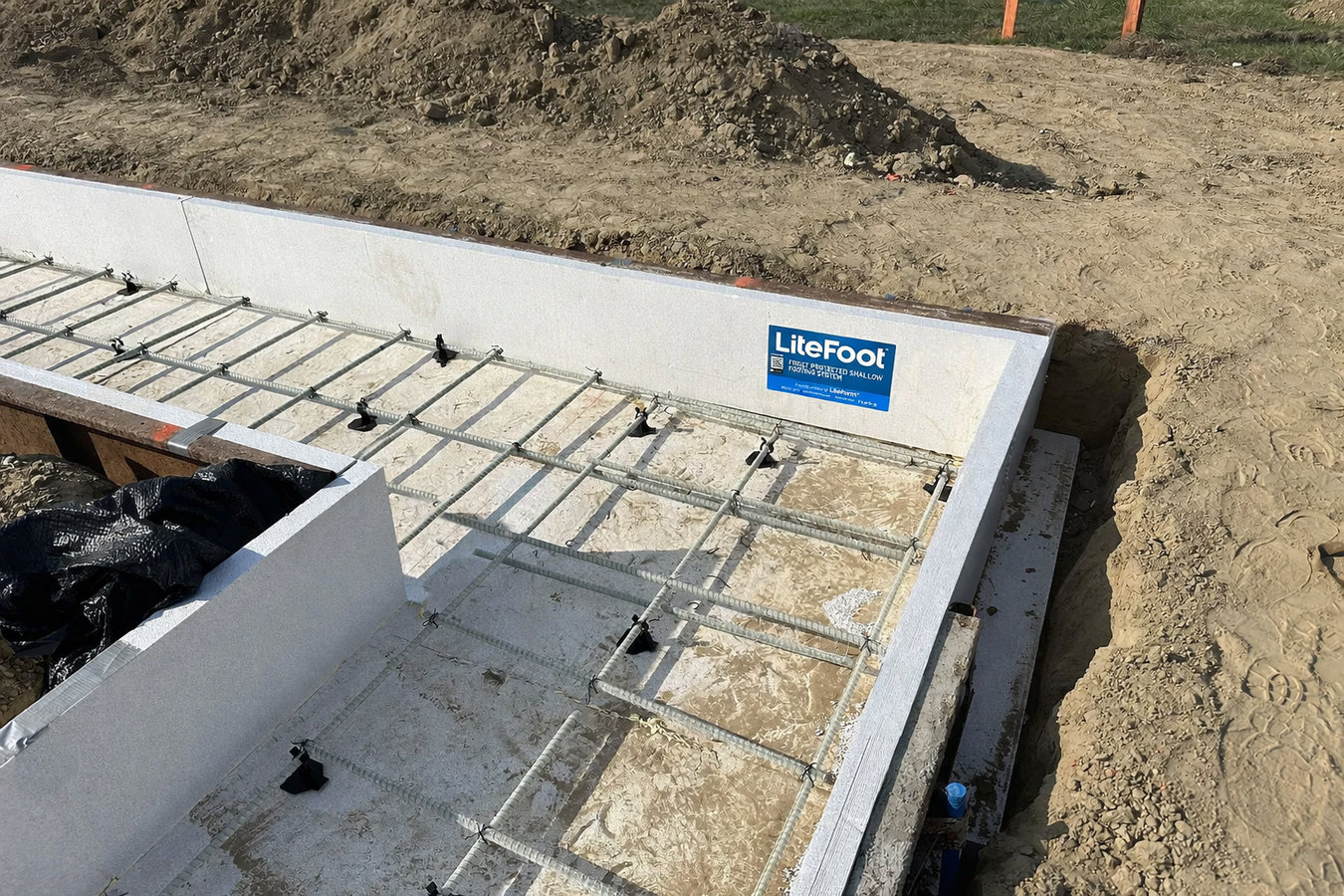
Concrete footings in San Clemente means digging to the depth required by local code and soil conditions, setting steel reinforcement inside forms, having the work inspected by a city inspector, and pouring concrete that cures into the underground base your structure rests on - most residential projects take one to three days of active work, plus a week of curing before building can start on top.
A footing failure is not cosmetic. When a footing shifts, cracks, or was undersized from the start, the structure above it moves - and that shows up as sticking doors, wall cracks, or visible tilting in a deck or retaining wall. San Clemente's hillside lots and coastal soils mean footings here face more stress than on flat inland properties, and the city's seismic zone requirements add a steel reinforcement standard you will not find everywhere. Getting the footing right is the one part of a project where there is no fixing it later without major excavation.
Footing work connects directly to the larger structural picture. If you are building an addition or outbuilding, this work pairs with a full foundation installation. If you already have a structure and suspect the base has shifted, our foundation raising service may be the right starting point.
Cracks running along the base of a wall, across a concrete floor near a structure, or at the corners of door and window frames can signal that the footing beneath has shifted or settled. In San Clemente, this pattern is especially common in hillside neighborhoods after a wet winter, when saturated soils move. A crack that is growing wider over time is more urgent than one that has been stable for years - have it assessed rather than waiting.
When a footing shifts, the frame of the structure above it shifts too, and that shows up as doors and windows that no longer close cleanly or fit their openings. If this is happening in multiple spots around the same area of your home rather than just one door that has always been sticky, it points to movement in the base rather than a simple adjustment issue. This symptom is particularly common in hillside neighborhoods after heavy rain seasons.
If a fence post is leaning, a retaining wall is bowing outward, or a deck is visibly out of level, the footing holding that structure may have failed or was never adequate. San Clemente has many hillside retaining walls that are especially vulnerable when soil behind them becomes saturated after heavy rain. A leaning structure that was plumb a year ago is telling you something is happening below the surface.
Any new structure attached to your home or built on your property needs proper footings before anything else goes up. If you are planning a deck with a view, a room addition, or a retaining wall to manage a sloped yard - all common projects in San Clemente - the footing work is the first and most critical step. Undersizing footings on a new structure to save money is the most common cause of early structural failure.
Every footing project starts with a site visit where we assess your specific slope, soil conditions, and what the footing needs to support. On hillside lots - which cover a large share of San Clemente properties - we design stepped footings that follow the grade of the land in a staircase pattern rather than running flat. This approach takes more planning and material but is the correct solution for sloped ground, not a shortcut. Steel reinforcement runs through every footing we pour, meeting California's seismic zone requirements for structures in this region.
For projects that connect to a larger structural scope, our footing work integrates cleanly with a full foundation installation for additions and new structures. If an existing structure has shifted and needs to be leveled, we coordinate footing repair with our foundation raising work so the base and the leveling are addressed together. Every project goes through San Clemente's permit and inspection process.
Best for San Clemente's sloped residential lots where footings must follow the grade rather than run level.
Suited for room additions and new structures that need a full perimeter base tied to the existing home.
Right for decks, patio covers, and freestanding structures that need individual column support points.
For existing structures where footings have cracked, shifted, or were undersized from the original build.
San Clemente is built on coastal bluffs and canyons, which means a large share of residential lots are sloped, terraced, or perched on hillsides. Footings on sloped ground require more excavation, more careful engineering, and a stepped design that follows the land rather than cutting across it at an angle. A contractor who treats every lot the same is taking a shortcut that will show up as movement within a few years. The soils in San Clemente and the surrounding South Orange County area also include pockets of expansive clay - the kind that swells when wet and shrinks when dry - and sandy coastal soils that behave differently under load. A California Geological Survey soil assessment on larger projects is standard practice, and asking about soil conditions on smaller ones is a reasonable question for any homeowner to raise.
San Clemente also sits in a seismically active region. California's building code requires footings in this area to be designed for earthquake forces as well as gravity loads - more steel, stricter tolerances, and mandatory city inspection before the concrete is ever poured. The city's Building Division enforces these requirements actively. We work across San Clemente and regularly serve homeowners in nearby San Juan Capistrano and Dana Point, where similar hillside terrain, coastal soil conditions, and permit requirements apply.
We follow up within one business day. We will ask a few basics - what you are building, where on your property, and whether you have spoken with the city about permits. You do not need all the answers yet; we just need enough to schedule a site visit. No price is given over the phone for footing work.
We come to your property, look at the slope and soil, measure what is needed, and assess access. After the visit, you receive a written estimate that breaks down labor, materials, and permit fees with no line items left out. If a contractor quotes footing work without seeing the site first, that is a red flag.
We handle the permit application through San Clemente's Building Division on your behalf. For most residential footing projects, budget one to two weeks for permit approval. Work does not begin until the permit is in hand and the required pre-pour inspection is scheduled.
The crew digs to the required depth, sets forms and steel, and a city inspector verifies everything before we pour. The pour itself takes a few hours. After curing - about a week to build on, a full month for maximum strength - we do a final walkthrough with you and confirm the footings are ready for the next phase of your project.
We handle permits, city inspections, and stepped footing designs for hillside lots - so the base of your project is solid before a single board goes up.
(949) 739-0478A large share of San Clemente properties sit on slopes that require stepped footing designs. We have done this work on hillside lots throughout the city - from older beach neighborhoods to newer hillside developments - and we design the footing pattern to match your specific grade rather than trying to make a flat design fit a sloped site.
Every footing project that requires a San Clemente Building Division permit - which covers almost all residential structural work - goes through the required pre-pour city inspection. That means an independent inspector verifies depth, width, and steel placement before concrete is poured. You are not relying solely on our word that the work was done correctly.
California's building code requires footings in San Clemente to handle earthquake forces, not just the weight sitting on top. We build the required steel reinforcement into every project automatically. The American Concrete Institute sets the concrete standards we follow - you can review those standards at concrete.org.
Every concrete contractor working legally in California must hold a current license from the state's Contractors State License Board. You can verify our license on the CSLB website in about two minutes before committing to anything. Licensed contractors carry the required insurance, which protects you if anything unexpected happens during excavation on your property.
Footing work done right is invisible - you never think about it again because the structure above it stays exactly where you put it. That is the outcome we build toward on every project.
Verify any contractor's California license at the Contractors State License Board. For permit requirements in San Clemente, contact the San Clemente Building Division.
When an existing structure has settled or shifted, foundation raising addresses the base movement that footing repair alone cannot fix.
Learn moreFor larger additions and new structures, a complete foundation system starts where individual footings leave off.
Learn morePermit calendars and project schedules fill up fast in spring - reach out today to get your footing project assessed and on the schedule before construction season peaks.